



Gimoka coffee: Italian espresso beans
Gimoka coffee beans
Gimoka coffee is Italian espresso coffee, mostly blends of arabica and robusta made for a full-bodied shot with a thick crema. We stock three Gimoka coffees, all whole beans in 1 kg bags: Gusto Ricco, Aroma Classico and Espresso 24. They are made for bean-to-cup machines and for espresso machines with a separate grinder.

-
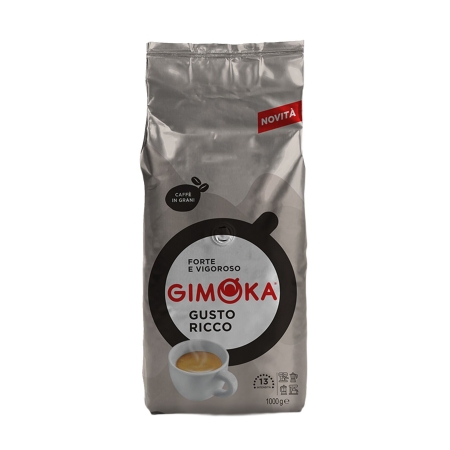 Gimoka Gusto Ricco - coffee beans - 1 kgChocolaty, Nutty 13 - Very strongAs low as 10.5310.53 / kg
-
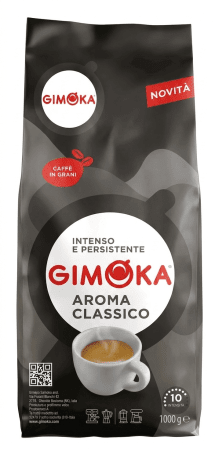 Gimoka Aroma Classico - coffee beans - 1 kgChocolaty, Nutty 10 - Very strongAs low as 10.9210.92 / kg
-
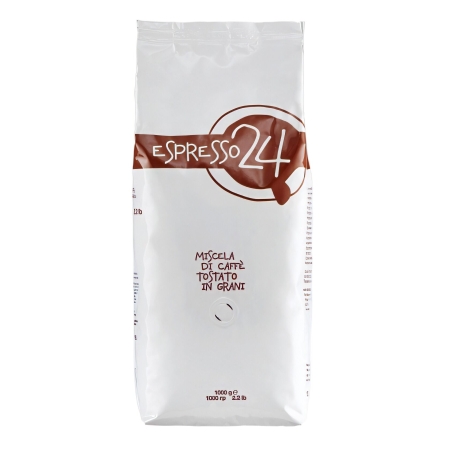


Which Gimoka should you choose?
All three Gimoka coffees come as whole beans in a 1 kg bag, so the choice comes down to strength and how you drink your coffee.
- Gimoka Gusto Ricco: the strong one. An arabica-robusta blend with a rounded, full flavour and a pleasant finish. Choose it for a robust espresso that does not turn heavy, or for cappuccino and latte, where a fuller blend still tastes of coffee through the milk.
- Gimoka Aroma Classico: the milder choice, with the emphasis on aroma rather than strength. A good fit if you drink your espresso black and find strong Italian blends too bitter, or if your bean-to-cup machine mostly makes longer cups such as a lungo.
- Gimoka Espresso 24: whole beans for espresso, like the other two. Check its product page for the strength and flavour notes before you choose.
If you like your espresso powerful, start with Gusto Ricco, or compare it with our other strong coffee beans. If you prefer something softer, go for Aroma Classico.
Arabica and robusta
Most Gimoka blends combine arabica and robusta. Arabica brings aroma and softness. Robusta adds body, strength and a thick, lasting crema, and it contains more caffeine than arabica. That combination is typical of Italian espresso, and it is why a blend like this tastes less fruity and acidic than a pure arabica or a single-origin coffee.
What to expect in the cup
Italian arabica-robusta blends are made for body rather than brightness: a full body, low acidity and roasted, chocolatey notes rather than fresh fruit. That makes them a natural fit for ristretto, espresso and cappuccino. If you usually drink filter coffee or light, fruity single origins, expect a heavier, more bitter-sweet cup.
Which machine do you need?
Whole beans need a grinder. A bean-to-cup machine grinds fresh for every cup and does the rest for you. With a traditional espresso machine you use a separate grinder, which gives you more control over grind size and dose, and usually more aroma in the cup.