


Fruity coffee beans and blends
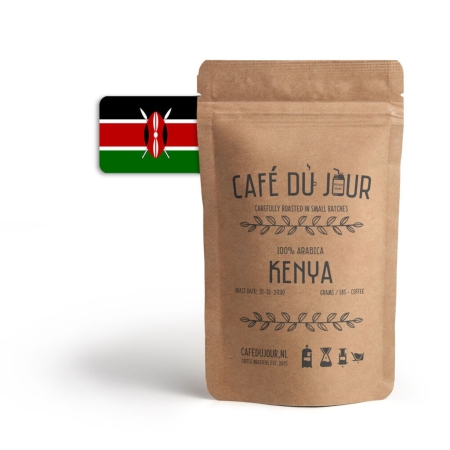
Fruity coffee beans give a bright, lively cup with notes that remind you of berries, citrus or stone fruit. That character comes from where the coffee grows, how it is processed and how lightly it is roasted. In this category you'll find our fresh single origins, such as Ethiopia, Yirgacheffe and Kenya, alongside espresso blends and tasting packs.

-
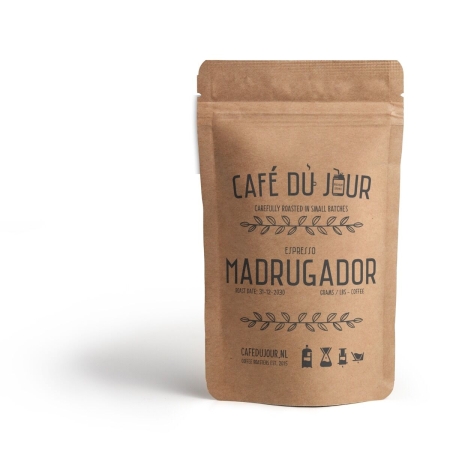 Espresso Madrugador - Fresh coffee beansChocolaty, Fruity, Spicy 9 - Very strongAs low as 7.2919.90 / kg
-
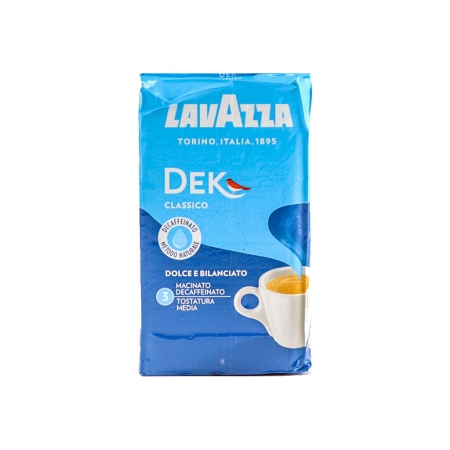 Lavazza DEK Classico Decaffeinated - ground coffee - 250gFruity 3 - RegularAs low as 5.2420.96 / kg
-
-
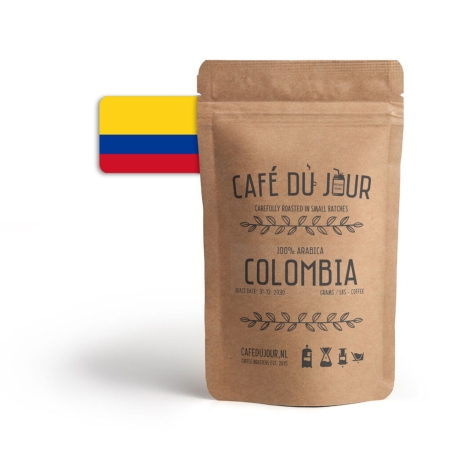
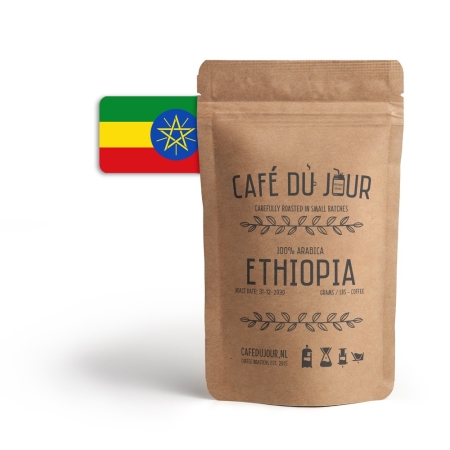 Ethiopia 100% arabica - Fresh coffee beansFloral, Fruity, Spicy 6 - RegularAs low as 7.7920.85 / kg
-
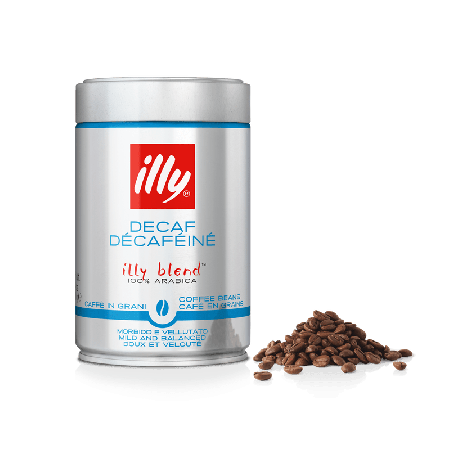 illy Decaf - coffee beans - 250 gFloral, Fruity, Nutty, Caramel 7 - StrongAs low as 5.9623.84 / kg
-
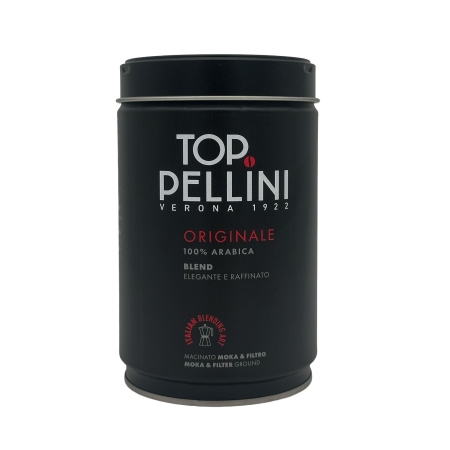 Pellini TOP Originale 100% Arabica - ground coffee in a tin - 250 gChocolaty, Fruity, Biscuits 5 - RegularAs low as 5.5022.00 / kg
-
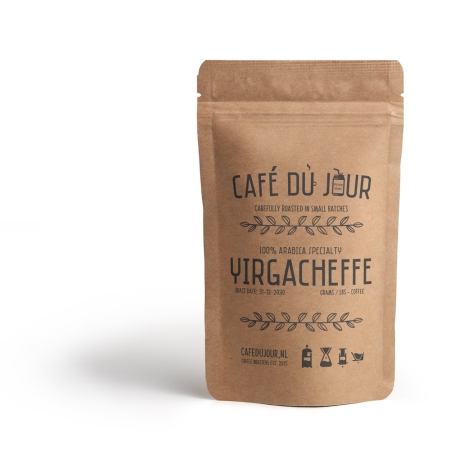
 Yirgacheffe Speciality 100% arabica - Fresh coffee beansFloral, Chocolaty, Fruity, Honey 4 - RegularAs low as 9.2925.60 / kg
-
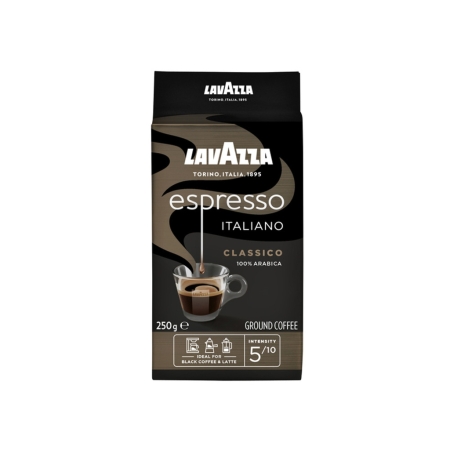 Lavazza Caffe Espresso coffee - ground coffee - 250 gFloral, Chocolaty, Fruity, Nutty 5 - RegularAs low as 5.8423.36 / kg
-
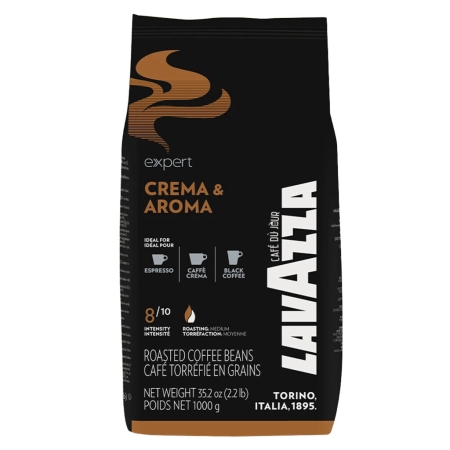 Lavazza Expert Crema & Aroma - coffee beans - 1 kgChocolaty, Fruity 8 - StrongAs low as 16.7916.79 / kg
-
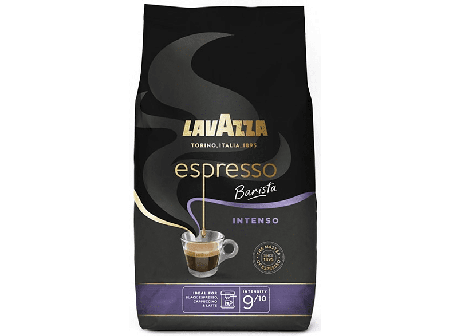 Lavazza Espresso Barista Intenso - coffee beans - 1 kgChocolaty, Fruity 9 - Very strongAs low as 21.9421.94 / kg
-
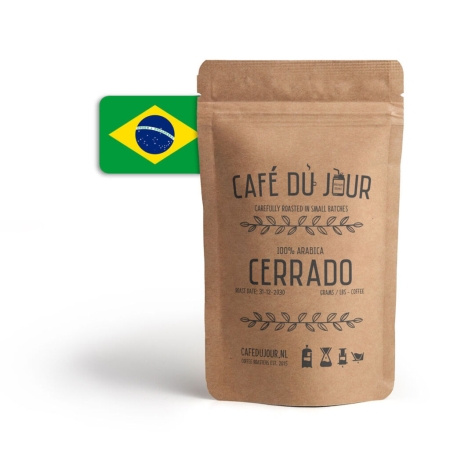 Cerrado 100% Arabica - Fresh coffee beansFruity, Nutty, Honey 5 - RegularAs low as 8.2921.37 / kg
-
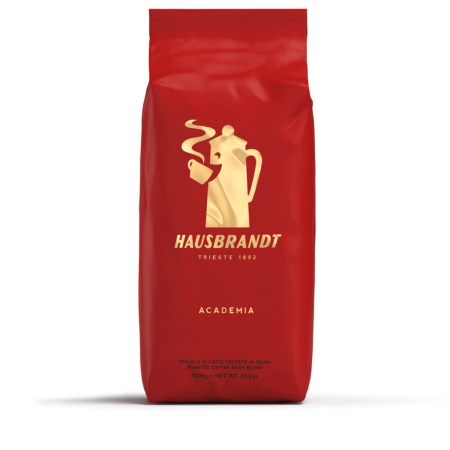 Caffè Hausbrandt Academia - coffee beans - 1 kgChocolaty, Fruity, Nutty 7 - StrongAs low as 24.2124.21 / kg
-
-
-
-
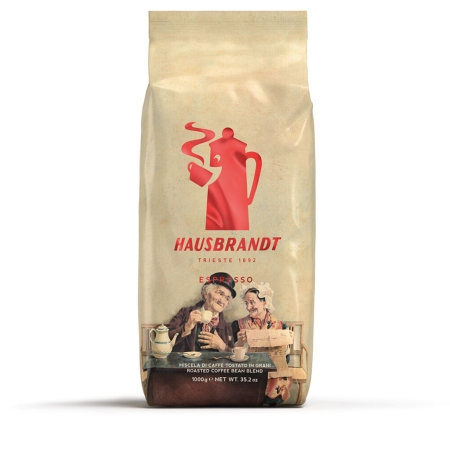 Caffè Hausbrandt Espresso (Nonnetti) - coffee beans - 1 kgChocolaty, Fruity 8 - StrongAs low as 20.6520.65 / kg
-
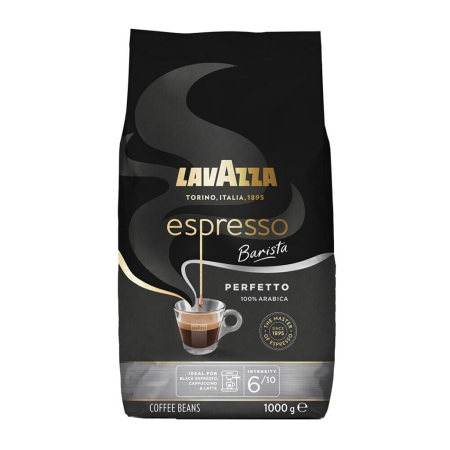 Lavazza Espresso Barista Perfetto - coffee beans - 1 kgFloral, Fruity 6 - RegularAs low as 26.3126.31 / kg
-
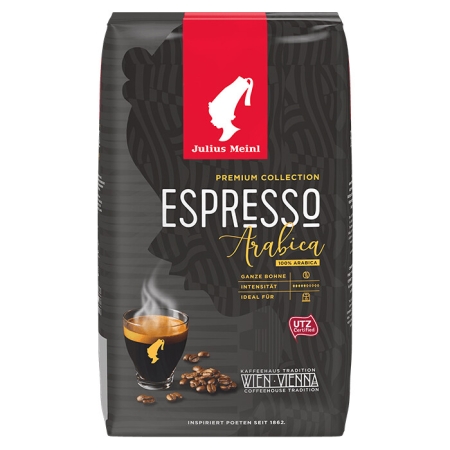 Julius Meinl Espresso Premium Collection - coffee beans - 1 kgChocolaty, Fruity, Nutty 9 - Very strongAs low as 22.6022.60 / kg
-
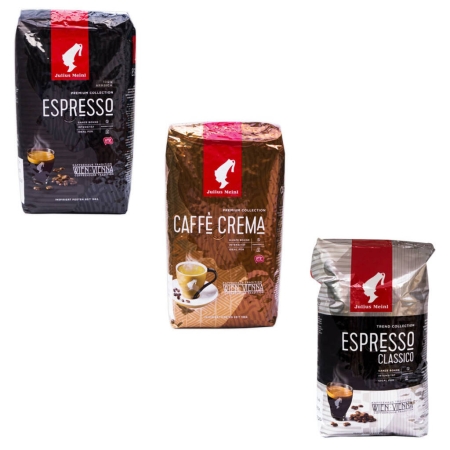
-
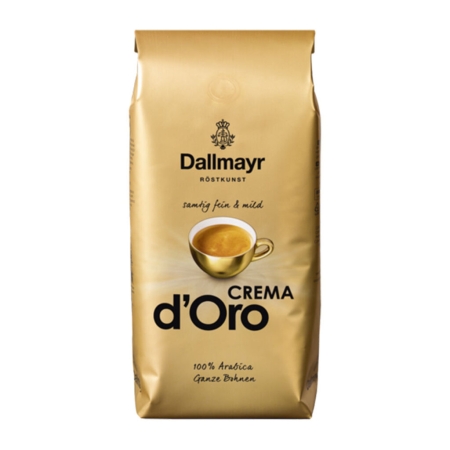 Dallmayr Crema d'Oro mild & fine - coffee beans - 1 kgFruity 6 - RegularAs low as 17.1817.18 / kg
-
-
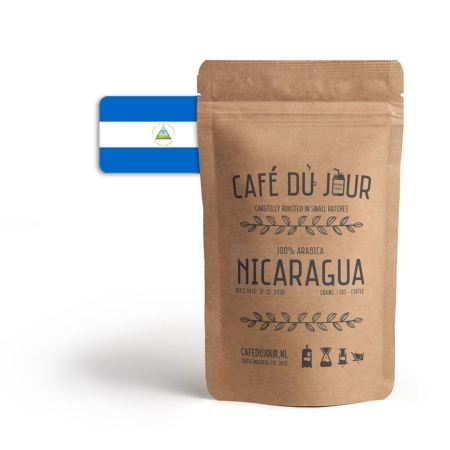 Nicaragua 100% Arabica - Fresh coffee beansFruity, Nutty, Caramel 4 - RegularAs low as 8.2922.32 / kg
-
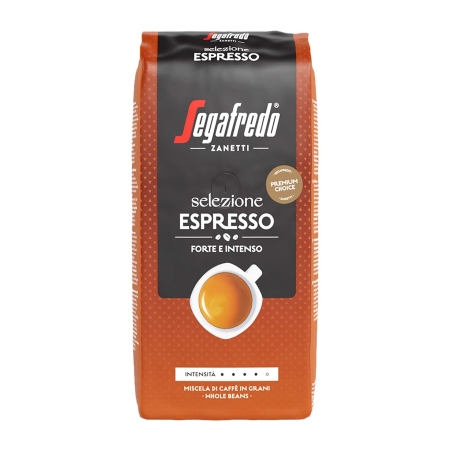 Segafredo Selezione (oro) Espresso - coffee Beans - 1 kgChocolaty, Fruity, Spicy, Nutty, Vanilla 8 - StrongAs low as 14.8614.86 / kg
-
-
-
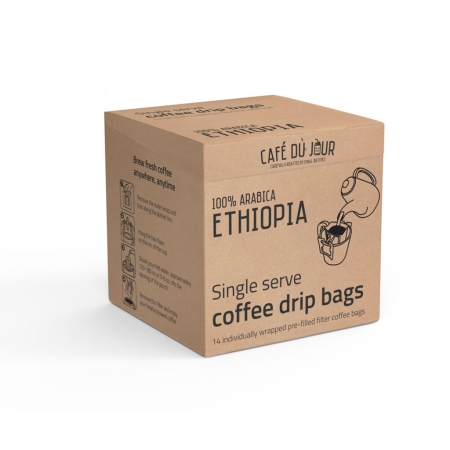 Ethiopia - Single Serve Coffee Drip Bags - 14 piecesFloral, Fruity, Spicy 6 - RegularAs low as 8.990.64 / piece
-
-
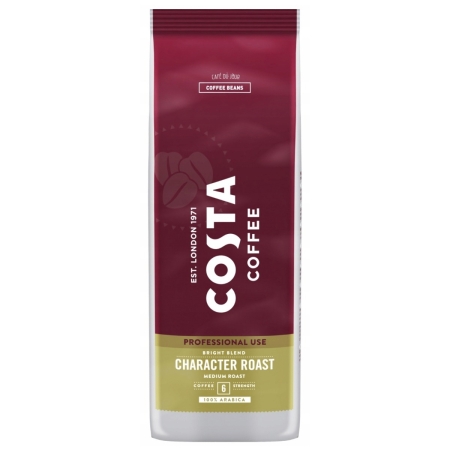 Costa Coffee Character Bright Blend Medium Roast - Coffee Beans - 1 kgChocolaty, Fruity 6 - RegularAs low as 18.1518.15 / kg
-
-
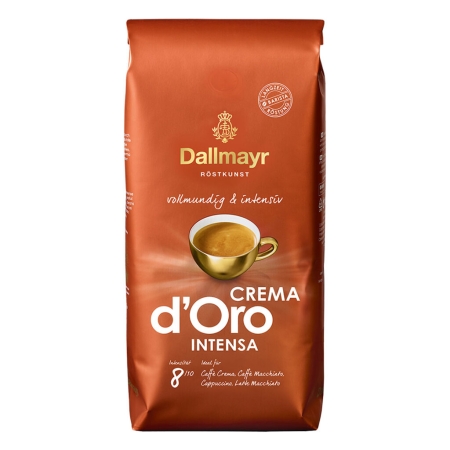 Dallmayr Crema d'Oro intensa - coffee beans - 1 kgFruity, Spicy 8 - StrongAs low as 15.1115.11 / kg


What makes fruity coffee taste the way it does?
A fruity coffee is mostly about acidity. Not sourness, but the fresh, juicy sharpness you also find in an apple or a blackcurrant. Three things decide how much of it ends up in your cup:
- Origin: arabica grown high up ripens slowly and tends to keep more acidity and fruit.
- Processing: in a washed coffee the fruit is removed before drying, which gives a clean cup with citrus and floral notes. In a natural coffee the whole cherry dries around the bean, which often brings riper, berry-like flavours.
- Roast: a lighter roast keeps the fruit; the darker a coffee is roasted, the more chocolate and roasted flavours take over.
Fruity coffee is not the same as flavoured coffee. Nothing is added: the fruit notes come from the bean itself, just like the other coffee flavours you taste in the cup.
The origins in this category
East Africa: the brightest cups
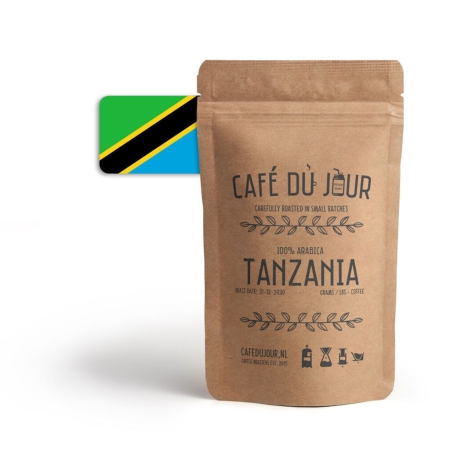
Ethiopia is where arabica comes from, and Ethiopian coffees are known for floral and citrus notes. Yirgacheffe, a region in the south of the country, is often lighter and almost tea-like. Kenya is known for a pronounced, blackcurrant-like acidity and a full body, and Tanzania sits close to Kenya in style.
Central and South America: fruit in balance
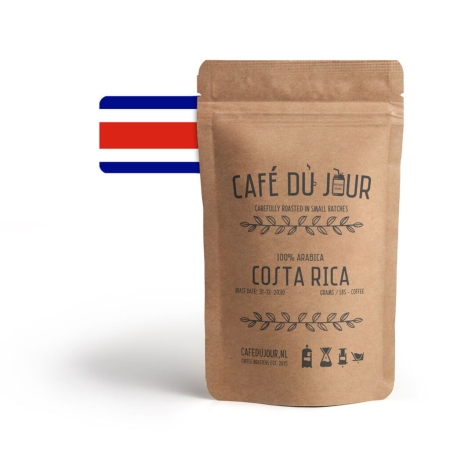
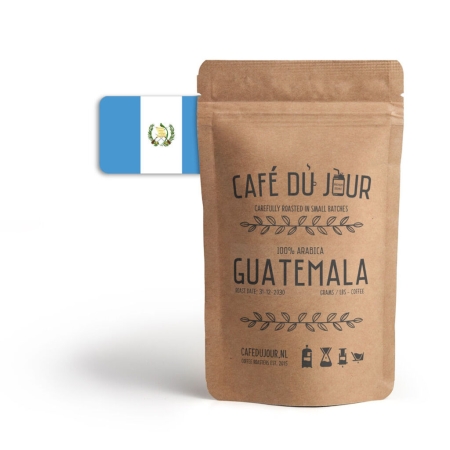
In Costa Rica, Guatemala, Nicaragua and Colombia the fruit is usually softer and sits alongside caramel, nut or cocoa. Cerrado from Brazil is the mildest of the group. These are a good step if you find East African coffee too bright.
Blends, tasting packs and decaf
Besides single origins, this category also includes Italian and other European espresso blends, several sample packs and tasting packs, and decaf options such as our Decaf Special. A tasting pack is a practical way to compare a few coffees side by side before you commit to a larger bag. Prefer not to grind at all? The Ethiopia drip bags are filter pouches with ground coffee that you hang over your cup and pour hot water through.
How to brew a fruity coffee
- Filter and pour-over: the clearest way to taste the fruit. A V60, Chemex or filter machine lets the acidity and aroma come through.
- Espresso: a fruity single origin tastes brighter and sharper as espresso than an Italian blend. If it is too sour, grind a little finer.
- With milk: milk rounds off the acidity and can hide the fruit. For a cappuccino, a blend is usually the easier choice.
- Cold brew: steeping in cold water brings out sweetness and keeps the acidity low, which turns a fruity coffee soft and juicy.
Which one to choose?
Want the most fruit in your cup? Start with Ethiopia, Yirgacheffe or Kenya and brew them as filter coffee. Prefer a rounder cup with just a hint of fruit? Choose one of the Central American origins. And if you mainly drink espresso or coffee with milk from a bean-to-cup machine, one of the blends in this category will feel more familiar.