



Loose oolong tea leaves
Oolong tea leaves are only partly oxidised, which puts oolong between green and black tea in flavour. The name is Chinese for "black dragon", after the long, dark, curled leaves. We sell oolong as loose-leaf tea in 100 g bags under the Café du Jour name: Black Dragon Tea, the rose blend Rose Romantique and Almond Coconut Oolong.

-
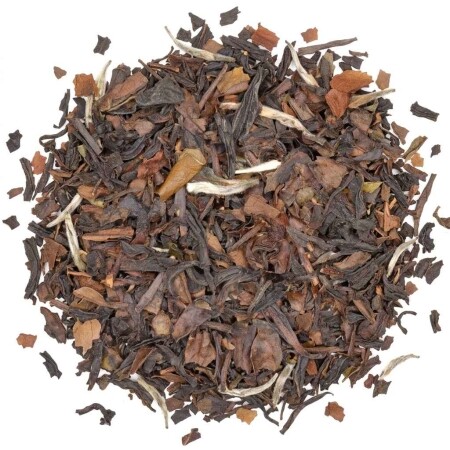 Black Dragon Tea - Oolong Tea 100 gram - Café du Jour loose TeaCafé du JourAs low as 7.2074.30 / kg
 -
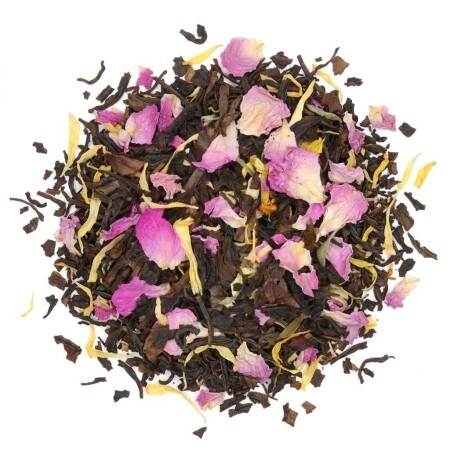
-
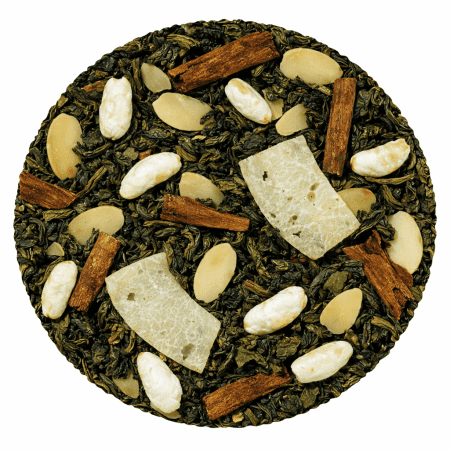 Almond Coconut Oolong - Green tea 100 grams - Café du Jour loose-leaf teaCafé du Jour5.7057.00 / kg


What makes oolong different
Green, oolong and black tea all come from the same tea plant. What separates them is oxidation: how far the leaves are allowed to react with air after picking. Green tea is barely oxidised, black tea fully. Oolong is stopped somewhere in between, and that range is wide. Lightly oxidised oolongs taste fresher and more floral, closer to green tea; darker oolongs move towards woody, roasted and nutty notes.
Dry oolong tea leaves are shaped as well as oxidised. Some oolongs are rolled into small balls, others twisted into long, curled strands. Either way, they open up slowly in hot water, so give them room.
Our oolong teas
- Black Dragon Tea – oolong under its English name, loose, 100 g.
- Rose Romantique – an oolong blend with rose blossom, loose, 100 g.
- Almond Coconut Oolong – a blend named after almond and coconut, loose, 100 g.
Want to compare with other teas? See our green tea and black tea, or browse all loose tea. Oolong contains caffeine; for a caffeine-free cup, try rooibos tea.
How to brew oolong tea leaves
- Use water below boiling, around 85 to 95 °C: the lighter the oolong, the cooler the water.
- Allow about a teaspoon of leaves per cup, a little more for large, open leaves.
- Steep for two to three minutes, then taste before you steep any longer.
- Give the leaves room to unfurl: a teapot or a large tea filter works better than a small infuser ball.
- Do not throw the leaves away after one pot. Oolong is traditionally steeped several times, and the second or third infusion often tastes fuller than the first.
For teapots, filters and other tools, see our tea equipment.
Oolong in Chinese tea culture
Oolong comes from China, where it has been made for centuries, and it is also closely linked with Taiwan. In the traditional gongfu style of brewing, a small pot is filled generously with leaves and steeped many times in short rounds, so you taste how the tea changes from one cup to the next. You do not need special equipment to try it: a small teapot and short steeps get you close.