



Loose-leaf fruit tea
Fruit tea is an infusion of dried fruit, flowers and herbs rather than tea leaves. That is why it tastes sweet without any sugar added, why it never turns bitter however long you leave it standing, and why it is almost always free of caffeine. It is as good poured over ice as it is hot.

-
-
-
-
-
-
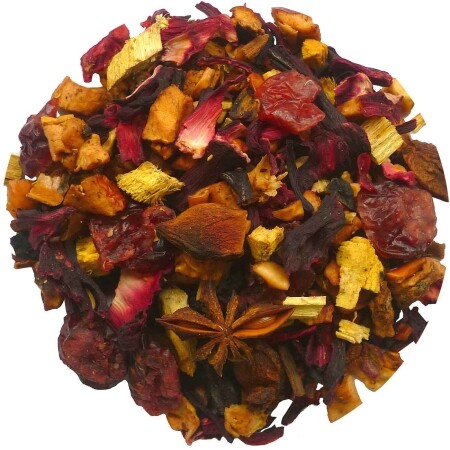
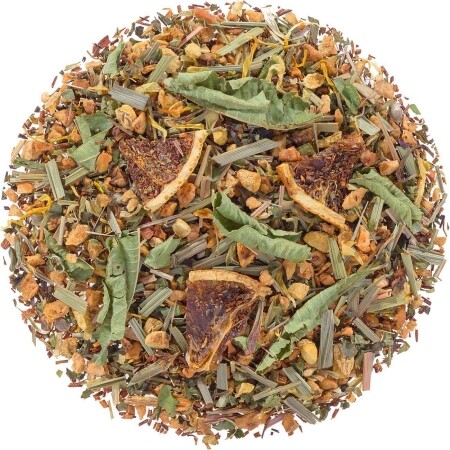 Hemp & Fruit - Fruit tea 100 g - Café du Jour loose teaCafé du JourRegular Price 5.38 Special Price 4.7147.10 / kg
 -
-
-
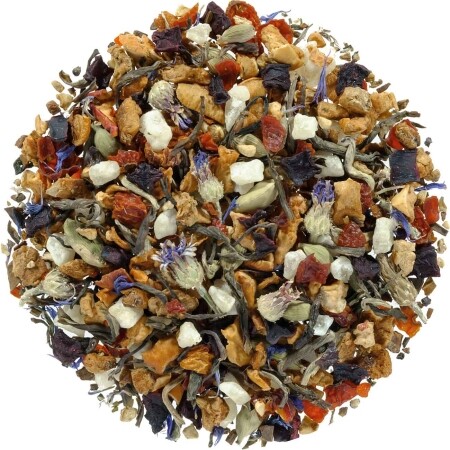
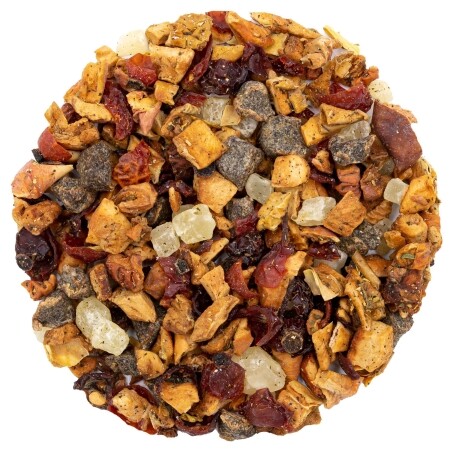
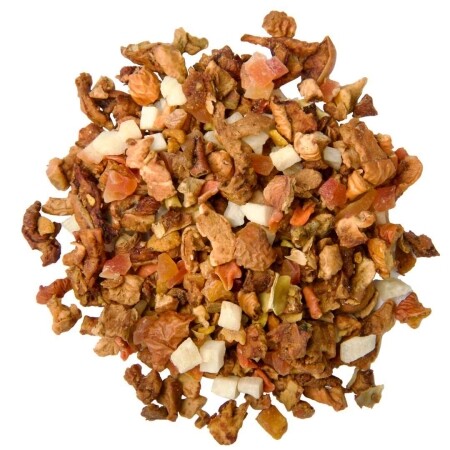 Pineapple & Peach - fruit tea 100 grams - Café du Jour Loose TeaCafé du JourAs low as 4.0440.40 / kg
 -
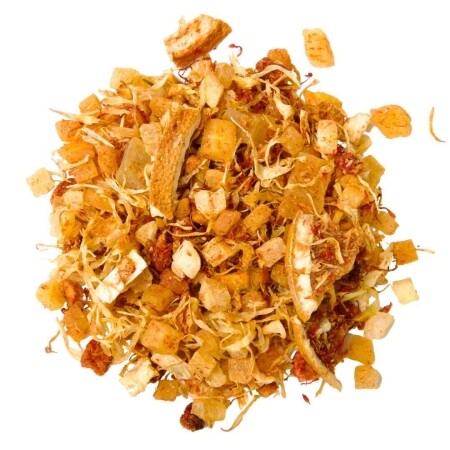
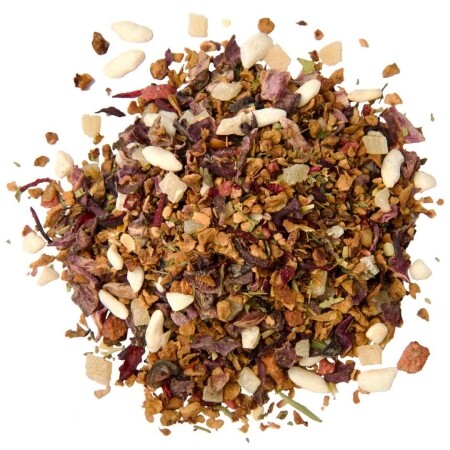 Bubblegum Spritz - fruit tea 100 grams - Café du Jour Loose TeaCafé du JourAs low as 4.7947.90 / kg
 -
-
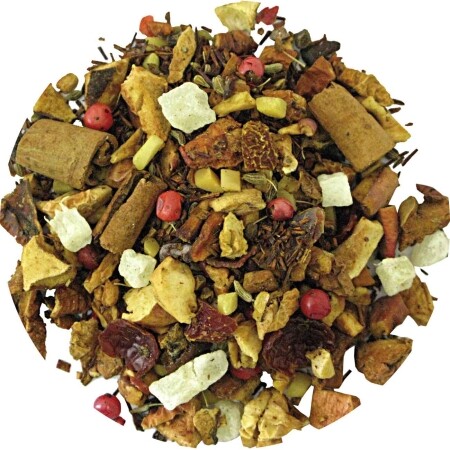
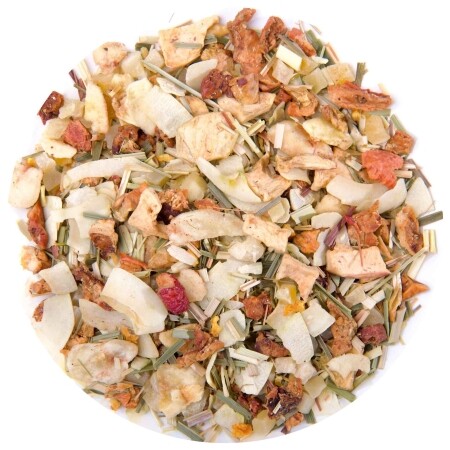 Love from the Caribbean - Fruit Tea 100 g - Café du Jour loose teaCafé du JourAs low as 5.1351.30 / kg
 -


What fruit tea actually is
Strictly speaking, most fruit tea is not tea. Black, green, white and oolong tea all come from one plant, Camellia sinensis. A fruit blend is made from something else entirely: pieces of dried fruit, hibiscus, rosehip, apple, citrus peel, flowers and herbs, steeped in hot water the same way. The proper word is an infusion, or a tisane, but nobody says that when the kettle has just boiled.
The distinction is worth knowing because it explains how the stuff behaves. No tea leaves means no tannin, and no tannin means no bitterness no matter how long the cup stands. It also means no caffeine, with one exception: a handful of blends have a base of green or white tea underneath the fruit, and those do contain some. If that matters to you, the ingredients on the pack will say.
What it tastes like
Sweet, tart and bright, mostly. Apple and hibiscus form the backbone of a great many fruit blends: apple brings body and a mellow sweetness, hibiscus brings the sharpness and the deep red colour that people associate with fruit tea. On top of that comes whatever the blend is named after — berries, mango, pineapple, peach, orange, cherry.
The sweetness is the fruit's own, so a good blend needs nothing added. If you do want it sweeter, honey dissolves better than sugar in a cup that is not boiling hot.
How to brew it
- Use water straight off the boil. Fruit and flower pieces are tougher than tea leaves and need the heat to open up.
- Give it longer than you would give tea. Five to ten minutes is normal, and the cup will not suffer if you forget it.
- Use a generous spoonful. Dried fruit is bulky, so the same volume holds less than a spoon of tea leaves.
- Cover the pot or cup while it brews to keep the aroma in.
Because it cannot over-steep, fruit tea is the easiest thing in the world to brew in a pot and come back to. It also refills well: a second pour over the same fruit gives a lighter but perfectly decent cup.
Fruit tea cold
This is where fruit blends really come into their own. Brew a strong pot, let it cool and pour it over ice, and you have an iced tea with real fruit flavour and no added sugar. Make it stronger than you would drink it hot, because the ice will dilute it.
Cold brewing works too, and is even simpler: put the leaves and fruit in cold water, leave them in the fridge overnight, then strain. The result is softer and less tart than a cooled hot brew. Either way, a slice of lemon, a few mint leaves or a handful of fresh berries in the jug does no harm. Our iced tea page has more on the method.
Loose leaf or bagged
Fruit blends make a stronger case for loose leaf than most teas do. The pieces are large — visible chunks of apple, whole rosehips, petals — and they need room to swell. Squeeze them into a small bag and they cannot, so the cup comes out thinner. A pot, a basket filter or a roomy infuser gives them space.
The trade-off is that you need something to strain with. A filter or infuser from the tea equipment range solves that, and if you would rather not bother, tea bags and tea sticks are there for the days when convenience wins.
Storing loose fruit tea
Dried fruit holds a little moisture, which makes fruit blends slightly more demanding than dry leaf tea. Keep the pack sealed, somewhere cool and dark, and away from anything strongly scented — fruit tea picks up smells readily. An airtight tin is a sound investment if you buy more than one blend, and keep the scoop dry, because a damp spoon in the tin is how a pack clumps.
It does not spoil so much as fade. Check its best before date, and trust your nose: if the pack smells of very little, the cup will taste of very little.
Other blends worth a look
If the fruit side appeals, the neighbouring shelves are close cousins. Rooibos tea is also free of caffeine and takes fruit flavours well, with a rounder, slightly woody base. Herbal tea goes in the other direction, towards mint, chamomile and spice. Green tea and white tea are where to go if you want some caffeine with your fruit, and loose-leaf tea gathers the whole range in one place.