



Costa Rica coffee beans
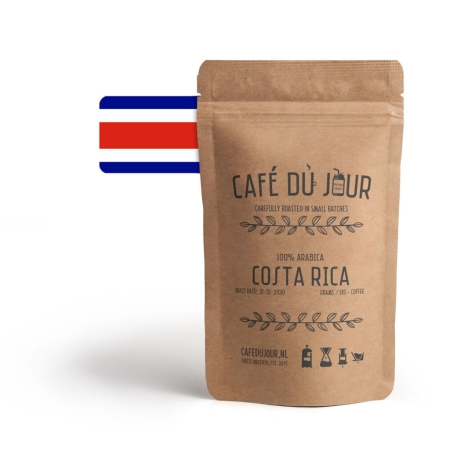
Costa Rica coffee beans are known for a bright, clean cup: citrus and honey up front, balanced by chocolate and sometimes a floral touch. That makes them a good fit for filter coffee as well as a lighter espresso. Café du Jour roasts its own 100% Arabica Costa Rica, and below you can read what sets this origin apart and how to brew it.

-
-
-
-
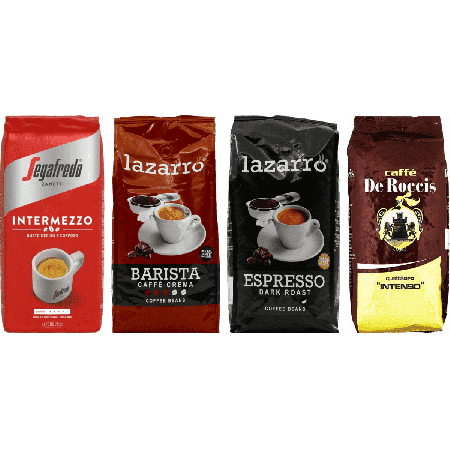 Italian Espresso Selection - 4 x 1 kg coffee beansVarious flavours 7 - Strong44.52 Regular Price 48.14
 -
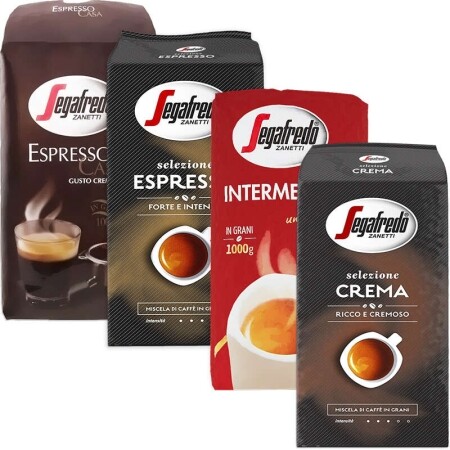 Segafredo Preview Package 4 x 1 kg coffee beansVarious flavours 7 - Strong
56.42 Regular Price 59.33
-
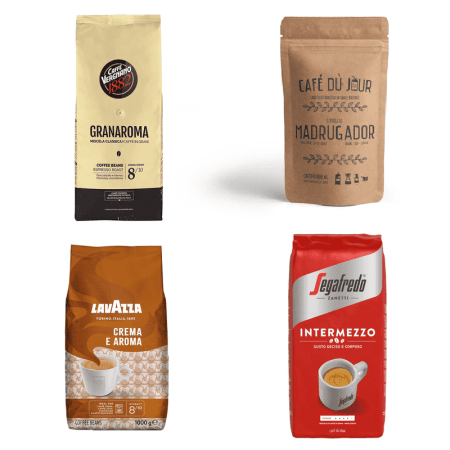 Coffee beans package - Most sold - 4 x 1 kgVarious flavours 10 - Very strong
67.98 Regular Price 70.48
-
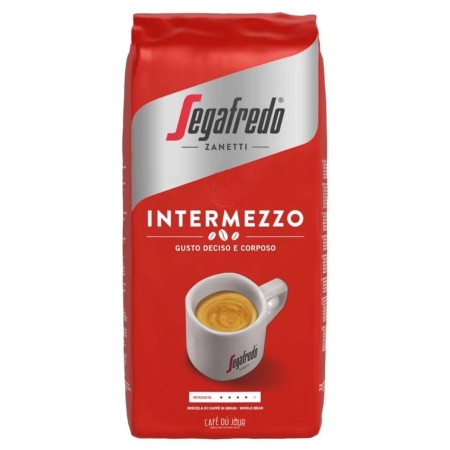 Segafredo Intermezzo - coffee beans - 1 kgNutty, Vanilla, Biscuits 8 - StrongAs low as 10.5410.54 / kg
 -
-
-
-
-
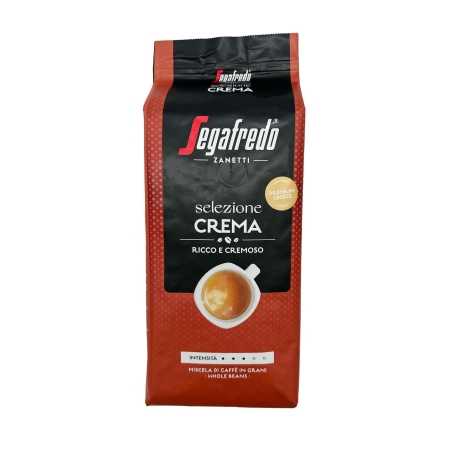 Segafredo Selezione Crema - coffee beans - 1 kgChocolaty, Nutty, Vanilla, Liquorice 6 - RegularAs low as 15.2715.27 / kg
 -
-
-
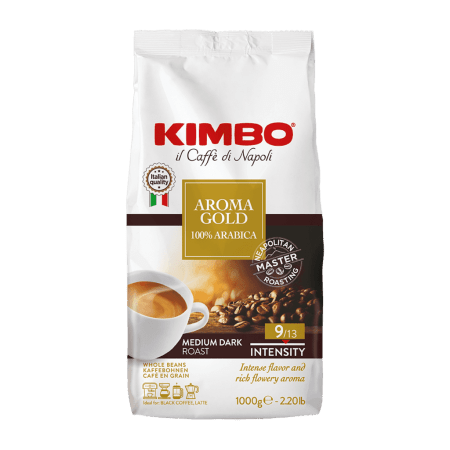 Kimbo Espresso Bar Aroma Gold - coffee beans - 1 kgFloral, Fruity 9 - Very strongAs low as 17.7417.74 / kg
 -
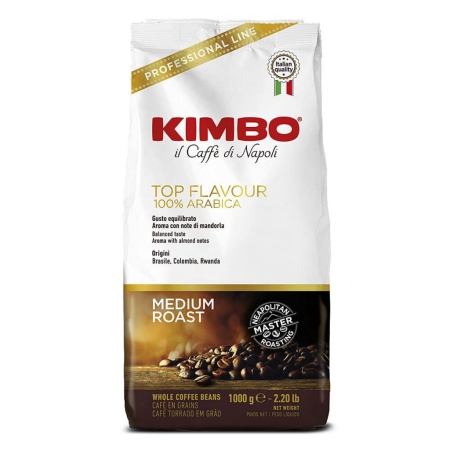 Kimbo Espresso Bar Top Flavour 100% arabica - coffee beans - 1 kgNutty 8 - StrongAs low as 20.4820.48 / kg
 -
-
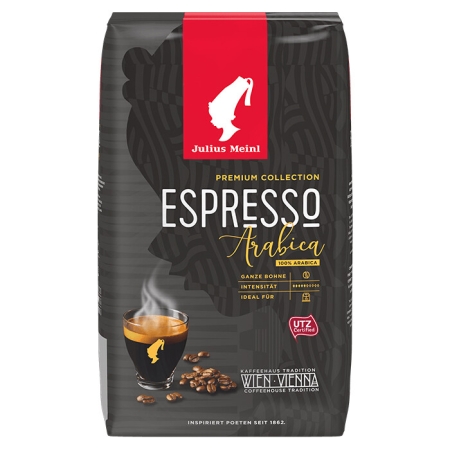 Julius Meinl Espresso Premium Collection - coffee beans - 1 kgChocolaty, Fruity, Nutty 9 - Very strongAs low as 22.6022.60 / kg
 -
-
-
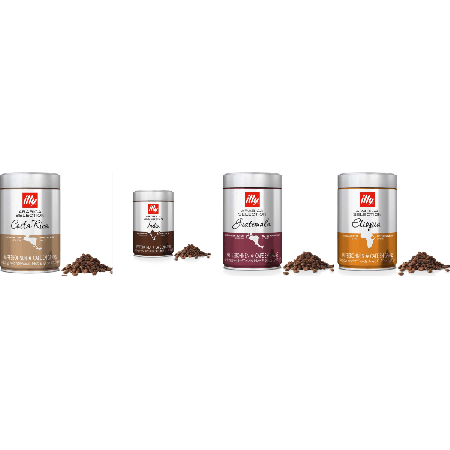
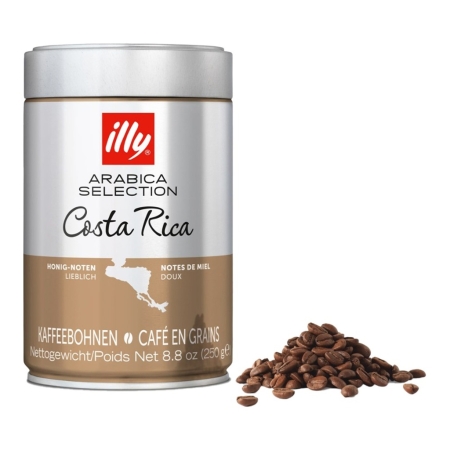 illy - Coffee Beans - Arabica Selection - Costa Rica - 250 gChocolaty, Vanilla, Caramel 5 - RegularAs low as 6.4725.88 / kg
 -
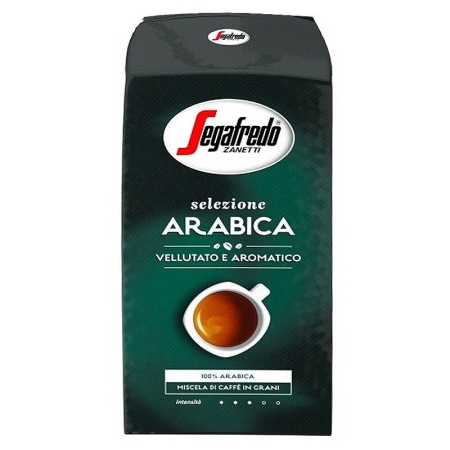 Segafredo Selezione 100% Arabica - coffee beans - 1 kgFloral, Chocolaty, Fruity, Nutty 6 - RegularAs low as 17.3017.30 / kg


What makes Costa Rica coffee beans stand out?
Costa Rica grows almost exclusively Arabica coffee, much of it on volcanic soil at altitude. In the cup that shows as lively freshness with natural sweetness: a light citrus acidity, balanced by honey, caramel or chocolate. Depending on the region you may also find floral notes.
Origin and regions in Costa Rica
The country has many microclimates, and each growing area has its own character. Tarrazú is the region most people know; the table below shows how the main areas differ.
| Region | Flavour profile | Location and conditions |
|---|---|---|
| Tarrazú | Complex, citrus, honey, lively | High altitude (1,200–1,900 m), volcanic and cool |
| Central Valley | Rich and balanced, chocolate and caramel with light fruit notes | Volcanic soil, plenty of sun and rain |
| Tres Ríos | Elegant and floral, refined acidity | Known as the “Bordeaux of Costa Rica” |
| Brunca | Mild, approachable and slightly sweeter | Warmer climate, lower altitude |
Varieties and processing
Several Arabica varieties are grown. Caturra is known for lively freshness and a medium body, Catuai for a sweet undertone with chocolate and citrus, and Geisha (Gesha) for floral, complex aromas.
Most Costa Rican coffee beans are washed: the fruit is removed before the beans dry, which gives a clean cup with clear citrus notes. Costa Rica is also known for the honey process, in which part of the sticky fruit layer stays on the bean while it dries. That gives more sweetness and body. Producers often name the style after the colour the beans take on while drying: yellow honey keeps the least of the fruit layer, red and black honey progressively more, with a fruitier, heavier cup as a result.
How to brew Costa Rican coffee
The light, fruity flavours come through best with methods that keep the cup clean:
- Filter coffee, such as a V60 or Chemex: brings out the citrus and floral notes.
- AeroPress: a short brew that keeps the sweetness and the fresh acidity.
- Espresso: gives a balanced shot in which fruit meets chocolate and honey.
- French press: for more body.
- Cold brew: soft and fruity, good for warm days.
Buy Costa Rican coffee at Café du Jour
Our 100% Arabica Costa Rica is roasted by Café du Jour in small quantities and sold as fresh coffee beans. For a second single origin from the same country, there is illy Arabica Selection Costa Rica in 250 g of beans. If you are not sure how to brew it, contact our customer service and we will help you choose.