



The difference between Arabica and Robusta coffee beans

- 2 May 2025 - Last updated on 25 September 2026

In short: Arabica offers a softer, more aromatic coffee with 1.1% to 1.5% caffeine, while Robusta is stronger, more bitter and contains 2.2% to 2.7%. Arabica grows at 1,000 to 2,000 metres in cooler conditions, whereas Robusta grows at 200 to 800 metres in warm, humid climates and adds body and crema to espresso blends.
Most coffee lovers have heard of Arabica and Robusta, but the difference between the two? That often stays a bit vague. Yet it’s really interesting and pretty handy to know which bean you’re drinking. The flavour, the amount of caffeine, the price AND even where the coffee comes from: it all depends on the type of bean.
Here’s an overview of all the differences in a table
| Features | Arabica coffee beans | Robusta coffee beans |
|---|---|---|
| Flavour | Soft, mild, fruity or floral | Strong, bitter, earthy |
| Caffeine content | Lower (1.1% – 1.5%) | Higher (2.2% – 2.7%) |
| Price | More expensive | Cheaper |
| Growing area | High altitude (1000–2000m) | Low altitude (200–800m) |
| Climate | Cool, stable climate | Warm, humid climate |
| Disease resistance | Sensitive | Hardy |
| Use | Specialty coffee, filter coffee | Espresso blends, instant coffee |
| Crema layer (espresso) | Less present | Thick crema layer |
| Popular countries | Brazil, Colombia, Ethiopia | Vietnam, Indonesia, Uganda |
Arabica and Robusta: the two main coffee species
When you talk about coffee, it almost always comes down to two main players: Coffea Arabica and Coffea Canephora, better known as Arabica and Robusta. Together they account for more than 95% of global coffee production. But although they both come from the coffee genus, they’re completely different species with their own character.
Arabica is by far the most popular and is especially valued for its refined flavour and aroma. This plant grows at higher altitudes, between 1,000 and 2,000 metres, and likes a cool but stable climate. That makes growing Arabica more complex and sensitive to diseases and weather conditions.
Robusta, on the other hand, is as the name suggests, quite a bit more robust. This plant grows at lower altitudes and copes better with heat and humidity. Robusta is mainly grown in countries like Vietnam and Indonesia, while Arabica mostly comes from Latin America and parts of Africa.
Both species have their own growing areas, characteristics and ultimately influence on the coffee in your cup. Time to dive into those differences further, starting with: the flavour.
Flavour differences between Arabica and Robusta
Perhaps the most striking difference between Arabica and Robusta is in the flavour. If you taste them side by side, you notice straight away that they’re two totally different worlds.
Arabica is known for its soft, refined flavour profile. Think light acidity, floral notes and sometimes even hints of chocolate or fruit. This bean contains more oils and sugars, which gives a complex and aromatic cup of coffee. No wonder many specialty coffees and single origin blends go for Arabica.
Robusta, on the other hand, has a more powerful, more pronounced flavour. More bitter, earthier and with less acidity. Some people find Robusta a bit “rougher”, but in the right blend it gives that hearty kick to your espresso. So it’s no coincidence that Robusta is often added to blends for extra body and a thick crema layer.
So are you a fan of soft, aromatic coffee? Then Arabica is your match. Do you love strength and punch? Then Robusta might just surprise you.
The differences in caffeine content
Another important difference between Arabica and Robusta is in the caffeine content, and you don’t just notice that in the energy boost, but in the flavour too.
Robusta contains roughly twice as much caffeine as Arabica. On average there’s around 2.2 to 2.7% caffeine in Robusta, while Arabica usually sits between 1.1 and 1.5%. That makes Robusta a lot more punchy, literally and figuratively. The higher amount of caffeine creates a bitter, more powerful flavour AND works as a natural defence against diseases and pests.
Arabica contains less caffeine, but that’s exactly what makes the bean so popular among connoisseurs. Less caffeine means a softer flavour and more room for subtle aromas and complexity.
Want a mild coffee for later in the evening or to gently wake up with? Then Arabica is a safe choice. Need a strong coffee or do you love powerful flavours? Robusta has got your back.
Where do these coffee beans grow?
The place where coffee grows has a huge influence on the final flavour. Arabica and Robusta each have their own requirements for the climate.
Arabica loves altitude. This coffee plant grows best at altitudes between 1,000 and 2,000 metres, at temperatures between 15 and 24 degrees Celsius. Think mountainous regions in countries like Brazil, Colombia, Ethiopia and Guatemala. The cooler conditions mean the berries ripen more slowly, which contributes to the complexity of the flavour. But that slow growth also makes the plant more sensitive to diseases and weather conditions.
Robusta is, as the name reveals, considerably stronger. This plant grows fine at lower altitudes, often between 200 and 800 metres, and thrives in warmer, humid climates with temperatures up to 30 degrees. You’ll find Robusta a lot in Vietnam, Indonesia, Uganda and parts of India. The plant grows faster, is more resistant to diseases and often delivers larger yields.
In short: Arabica needs more attention and grows more slowly, Robusta is more efficient and more robust. These differences also affect the price. Which is what we’ll talk about next.
Price and availability
If you’ve ever looked at the price tags of different coffee beans, you’ve probably noticed: Arabica is often more expensive than Robusta. But why is that?
It all starts with the growing. Arabica grows more slowly, at higher altitudes, and is more vulnerable to diseases and climate change. So farmers need to put more care into the plants and take on more risk. The harvest is often manual too, especially for specialty coffee, which drives up costs further. On the other hand, Arabica is generally regarded as higher quality, especially because of its refined flavour.
Robusta, on the other hand, grows faster, is less sensitive to disease and produces larger harvests. So production is cheaper, and you see that reflected in the price. Because Robusta is often used in blends and instant coffee, demand is high, but quality varies widely.
In blends, Robusta is often added to make the coffee cheaper AND to give extra punch and body. Pure Robusta is less common, unless you’re after a real energy bomb.
Paying slightly more for your coffee? Chances are you have a higher-quality Arabica in your hands. Going for strength and a friendlier price? Then Robusta is a logical choice.
The role of Robusta in blends and espressos
Why are Arabica and Robusta so often mixed? Here’s a quick overview of how they’re used and what they bring to your coffee experience:
Arabica
- Often used pure, especially in specialty coffees
- Known for its refined, aromatic flavour
- Ideal for filter coffee, slow coffee and black coffees
- Less suitable for those who love hearty espressos or milk drinks without an addition
Robusta
- Often added to blends for extra strength
- Gives coffee a hearty body and bitter undertone
- Creates a thick crema layer in espressos
- Popular in Italian espressos and milk drinks like cappuccino and latte
- Cheaper and standard in instant coffee
- Higher caffeine content for extra punch
Combination in blends
- Arabica provides finesse and aroma
- Robusta provides strength, crema and a higher kick
- Together they create a balanced espresso or blend
What will you choose? Arabica, Robusta or both?
Are you a fan of soft, refined flavours with lots of aroma? Then Arabica suits you perfectly. Do you love a powerful kick and a full body, especially in your espresso? Then Robusta is your match. Or choose a blend and enjoy a combination of both beans, ideal for those who love balance AND character.
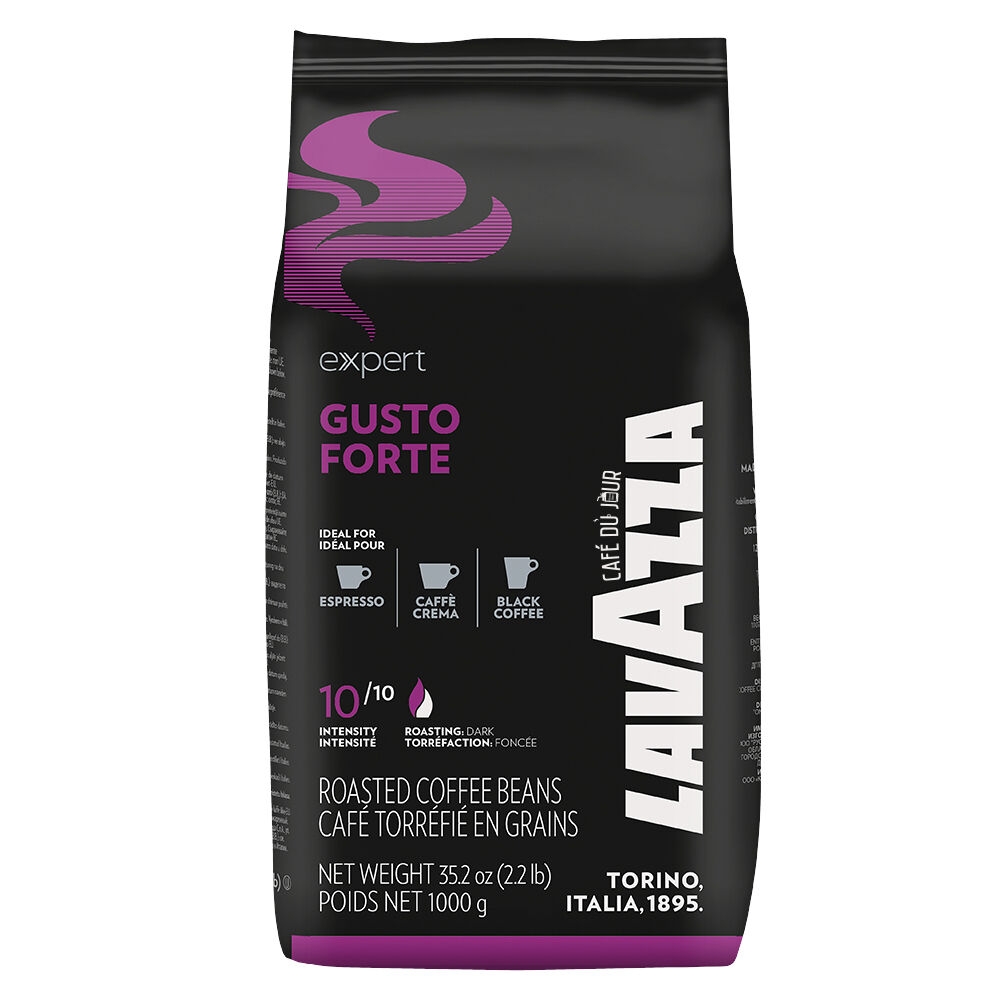
Arabica coffee beans


Arabica/Robusta coffee beans


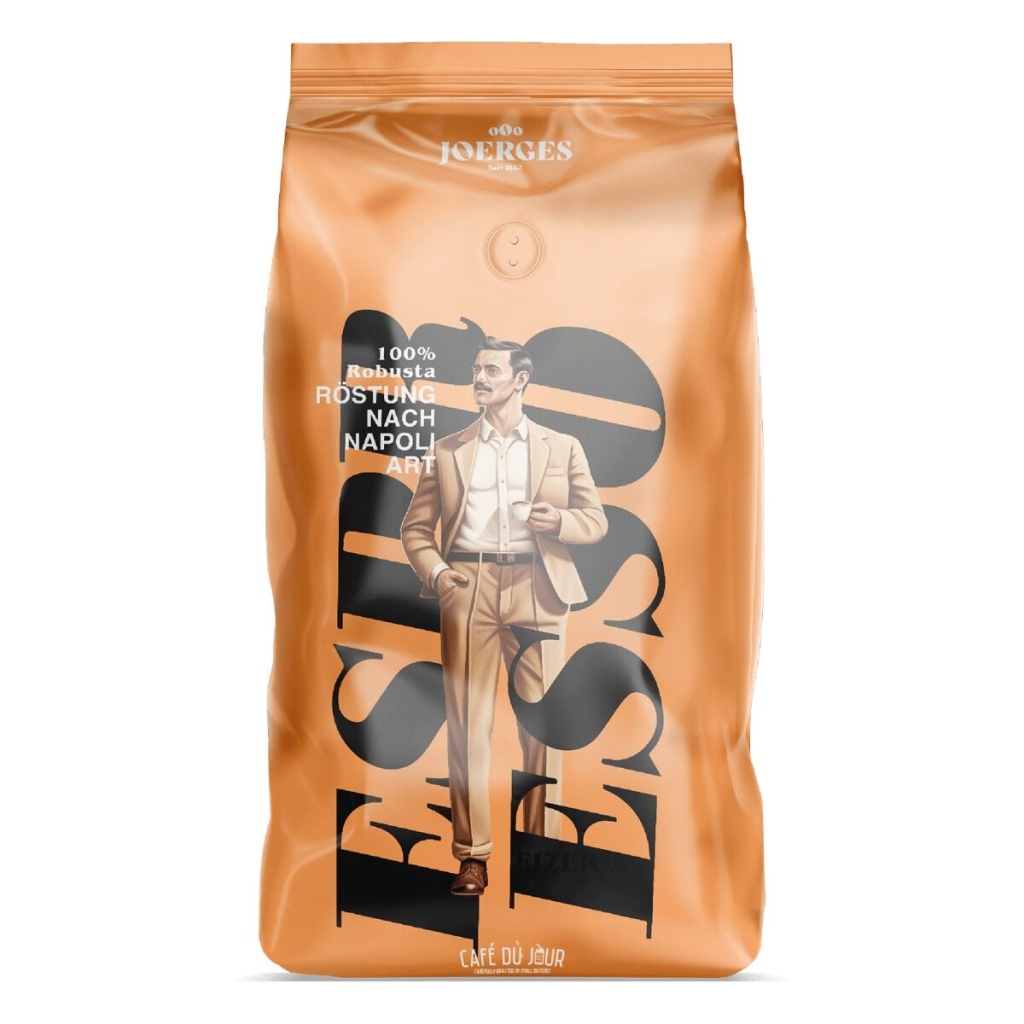
Robusta coffee beans
-
-


Recent Posts


